Any surgeon can operate, but a great surgeon is one who knows what to operate on and when – doing it right the first time is the key.

What We Do
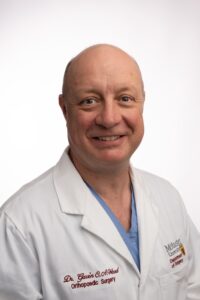
Dr. Wood performs many orthopaedic surgeries and is recognised with expertise in the surgeries:
Hip Surgeries
Knee Surgeries
Surgery is a skill and an art, but the bigger challenge is knowing when to operate and what operation to do. A previous mentor once said, Any surgeon can operate, but a great surgeon is one who knows what to operate on and when – doing it right the first time is the key.
Whilst Dr. Wood recognizes many surgeries are beneficial to patients, not every patient requires surgery and conservative and non-operative treatments should always be exhausted first.
Hip Surgeries
Total Hip Replacement
Hospital Stay: Same day Surgery or 1 night stay
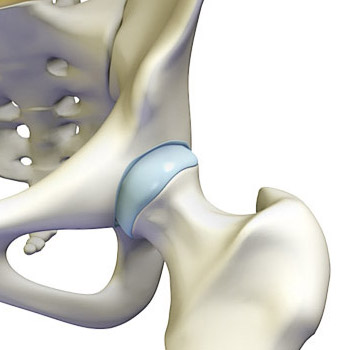
For a typical Hip Replacement surgery performed by Dr. Wood, the patient is placed on their side and positioned carefully and held in place with hip positioners. The approach used is the posterior approach and can be watched in this Birmingham Hip Resurfacing video. It is an approach which spares the hip abductor muscles, which are essential for hip strength. The advantage of such an approach is less risk of limp and return to normal gait quicker after surgery.
The implants used are chosen depending on the patient age, bone quality and lifestyle of the patient. Implants are either cemented into place using a polymethyl-methacrylate substance or are un-cemented where the implants are press-fit or jammed into the bony skeleton. The long-term outcomes of such implants from around the world are published annually in Joint Registries. These publications and results are available through Patient Resources section. The new bearing surface of the hip can vary independent of how the implant is fitted. Bearing surfaces can be metal on polyethylene, ceramic on ceramic, ceramic on polyethylene or metal on metal. This essentially is describing the ball and socket bearing of the new hip joint.
The patients are fully weight bearing after the surgery and walking with restrictions until 6 weeks. Most patients forgoe the need for walking aids less than 6 weeks after surgery. Review our full rehab protocols and advice further.
Knee Surgeries
Total Knee Replacement
Hospital Stay: Day Case or 1 night stay
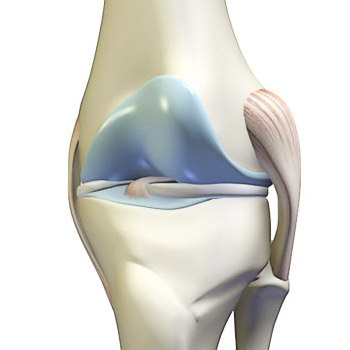
Dr. Wood performs Total Knee Replacements for arthritic conditions affecting most compartments of the knee. The patient is placed lying on their back and the leg is positioned with a side support and foot hold. A tourniquet is applied to the limb and inflated prior to surgery to reduce bleeding at the time of surgery. An incision is made across the front of the knee longitudinally and the extensor mechanism and patello are moved aside to gain access for the operation.
All knee replacements are cemented into position. Many surgeons vary on their approach and technique, but Dr. Wood performs mainly a cruciate retaining femoral component and fixed bearing, leaving the patello intact. Patients receive a bulky bandage which is removed on day 1 to commence physiotherapy.
You can view the Total Knee Replacement surgical procedures used by Dr. Wood on our Patient Resources.
View Dr. Wood’s recommended Total Knee Replacement rehab program.
Partial Knee Replacement
Hospital Stay: Same day surgery
Partial knee replacement, or unicondylar knee replacement, is performed when patients have osteoarthritis located in only the medial compartment of the knee. Criteria for this procedure are specific, such as isolated pain to that part of knee, intact anterior cruciate ligament, corrective deformity good range of motion and not lateral thrust or instability of the knee. Approximately 5-10% of arthritic knee patients match these criteria.
The benefits of such an operation is it is less invasive, not as painful an operation, and the result is your knee will feel more like a normal knee with better function and motion than after a Total Knee Replacement(TKR). It can also be converted to a TKR at a later date should it fail. There is a risk that the rest of the knee can develop arthritis and require Total Knee Replacement, but studies show good long-term results and Dr. Wood warns his patients that if any arthritis is seen in the other compartments at the time of surgery a Total Knee Replacement will be performed instead.
You can view the Partial Knee Replacement surgical procedures used by Dr. Wood on our Patient Resources.
Patello-Femoral Replacement
Hospital Stay: Same day surgery
The indication for a Patello-Femoral Replacement operation is similar to the Partial Knee Replacement above. The difference is the arthritis is behind the knee cap and the rest of the knee is normal. Allowing an isolated replacement of only the arthritic joint surfaces leaving the rest of the knee natural. Similar incision and protocols to the Partial Knee Replacement.
You can view the Patello-Femoral Replacement surgical procedures used by Dr. Wood on our Patient Resources page.